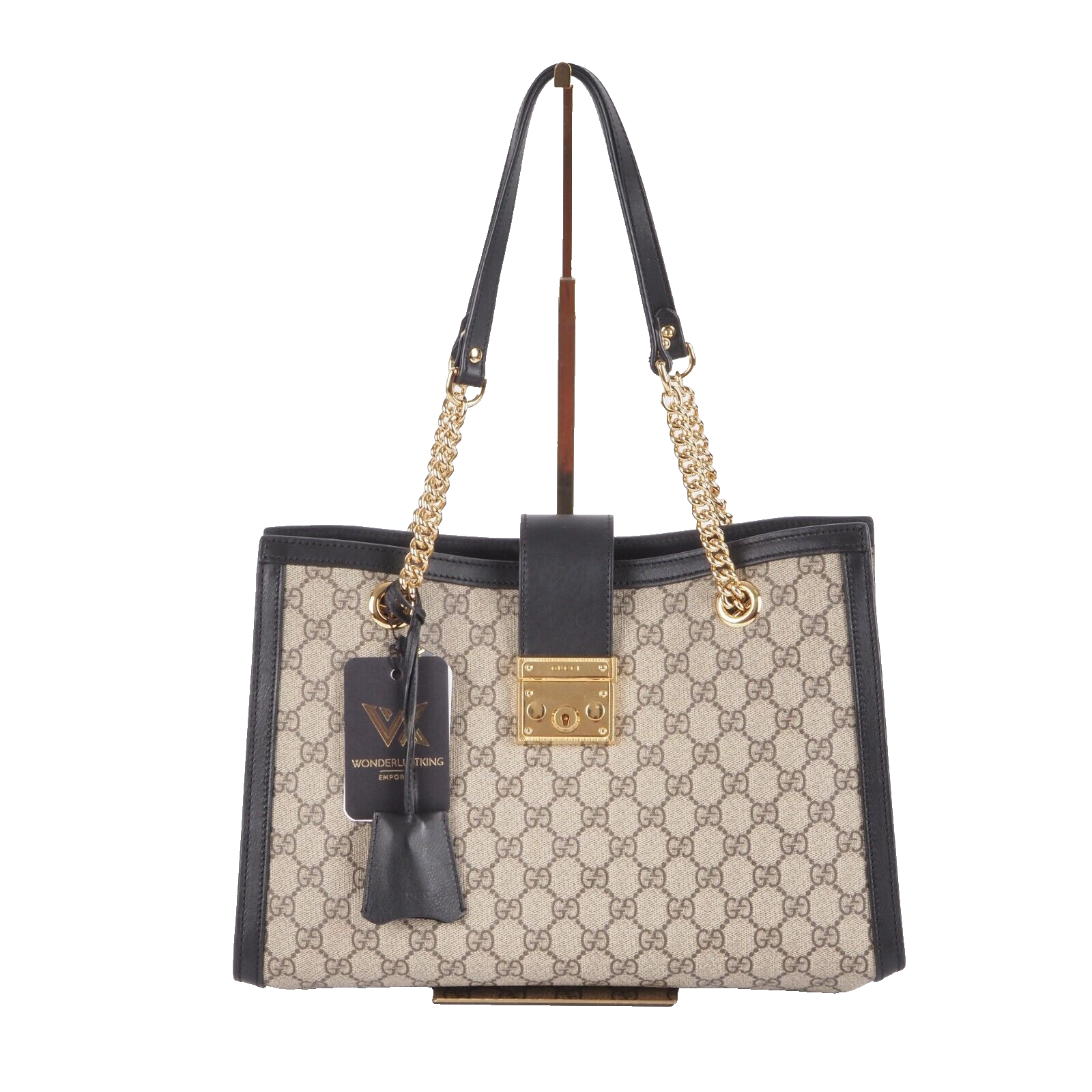
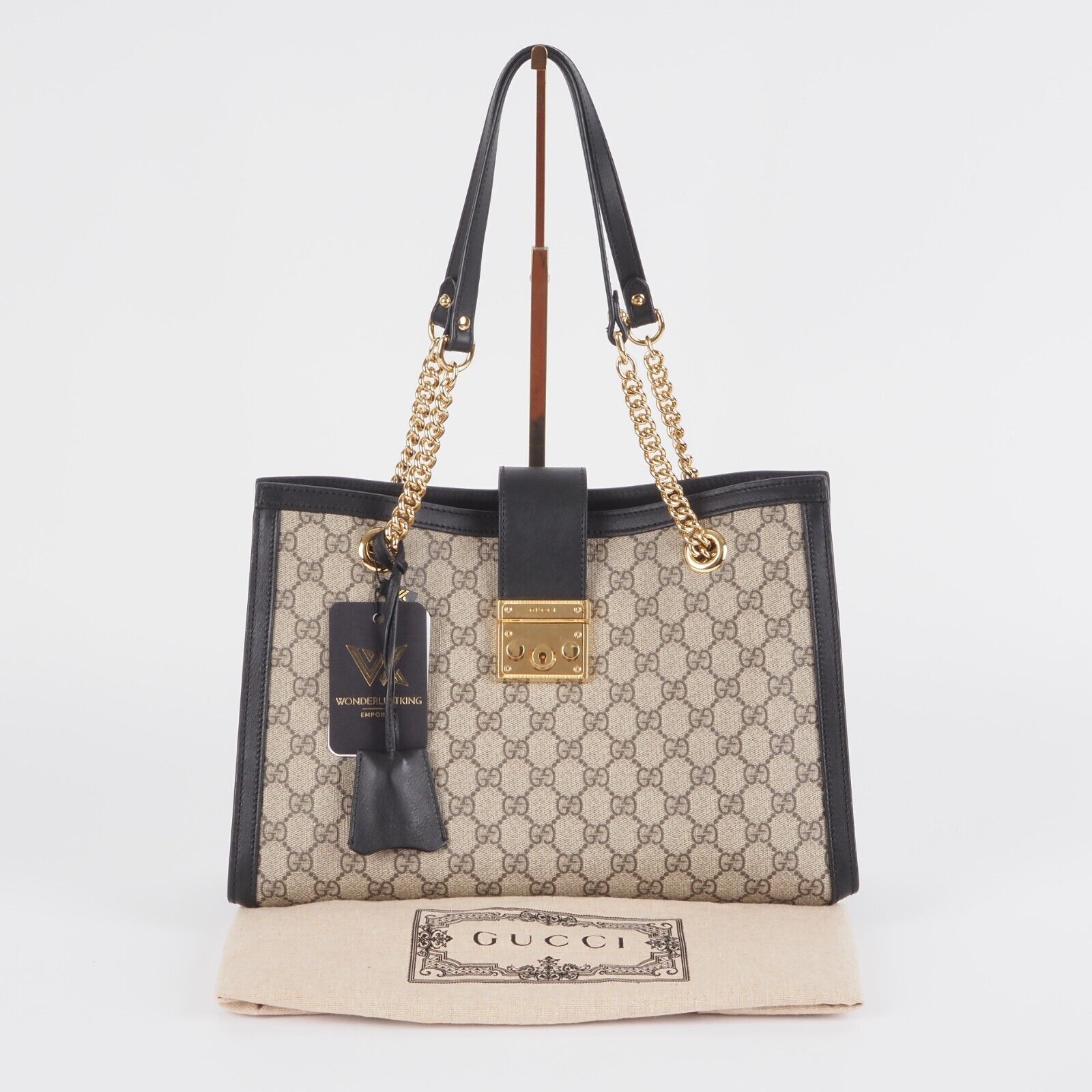
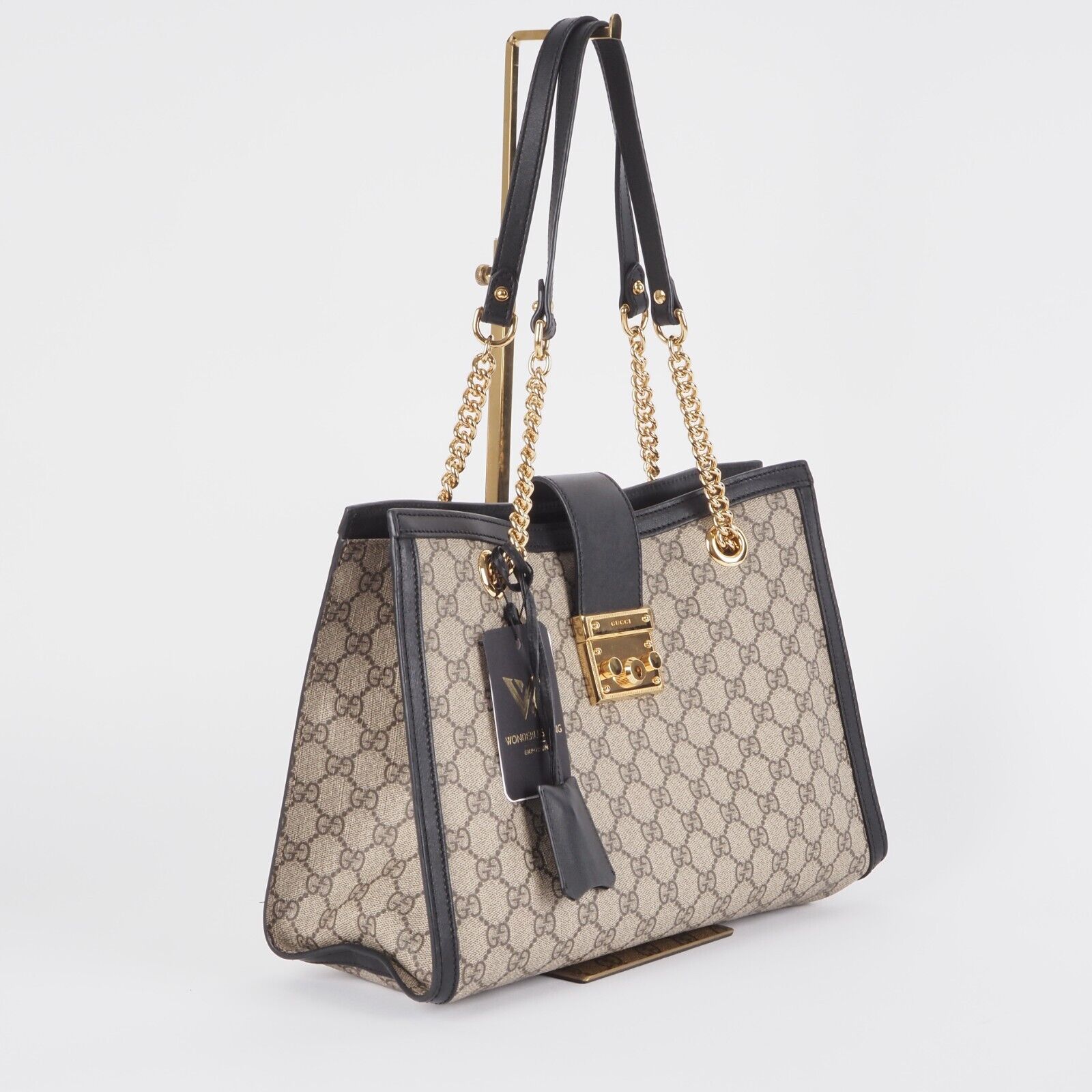
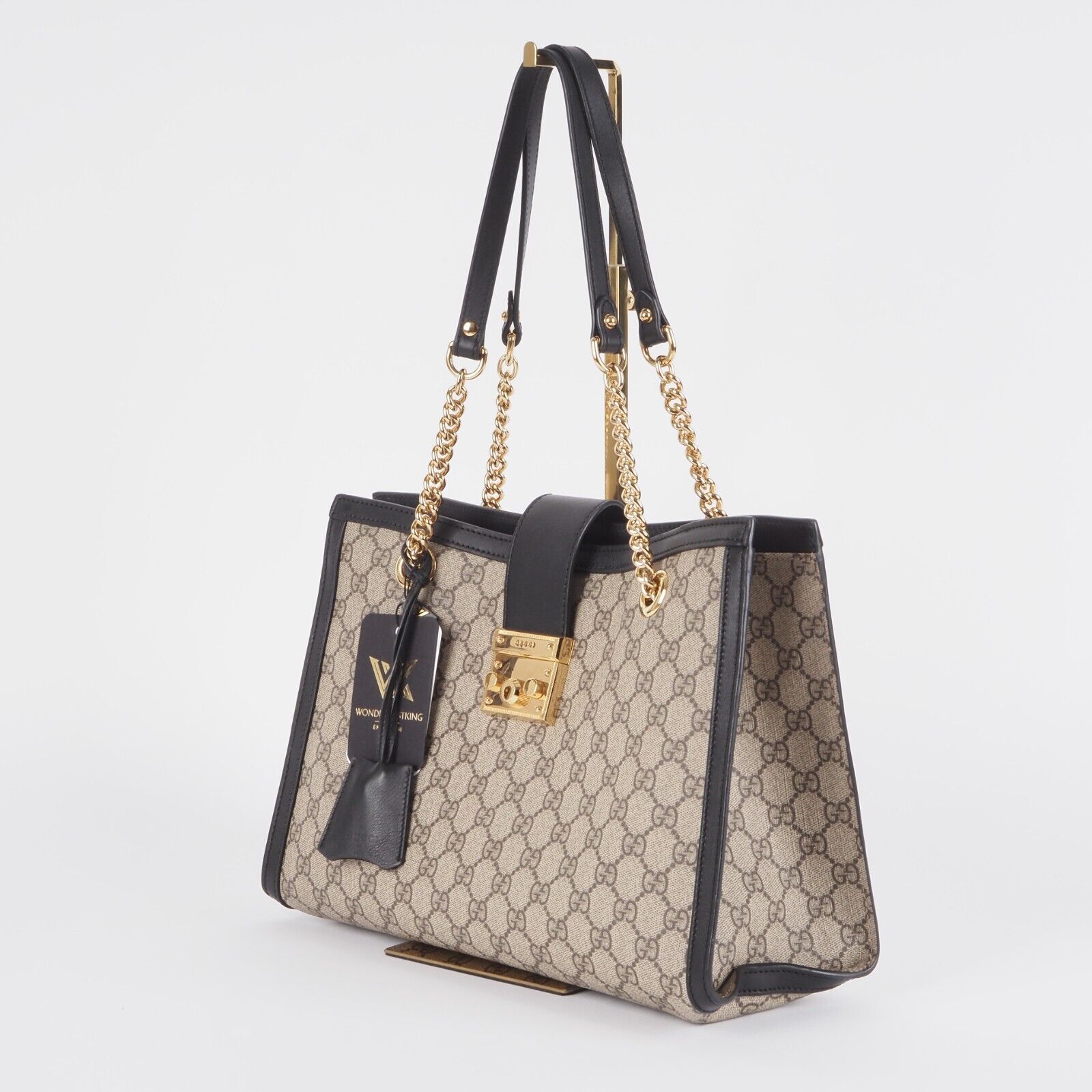
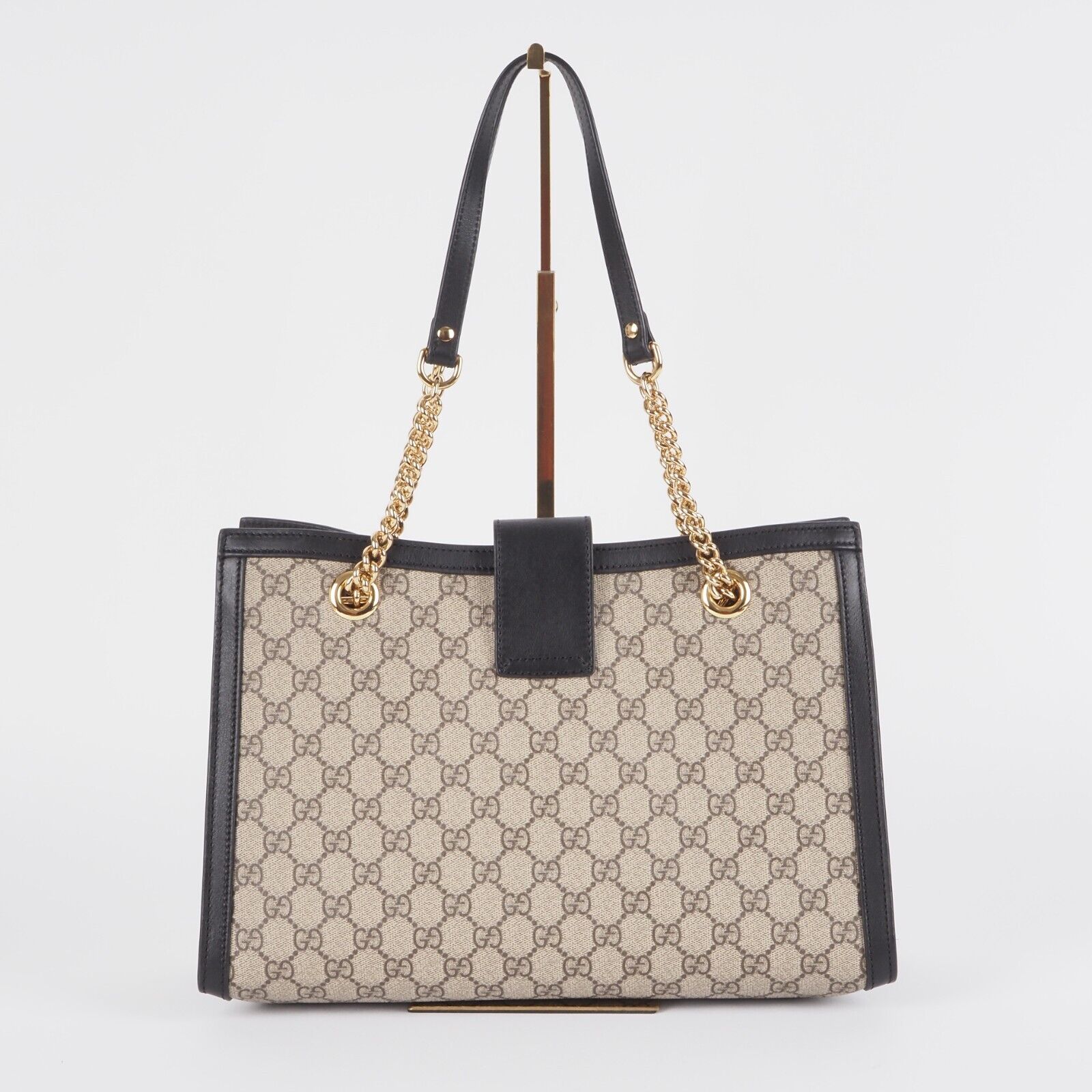
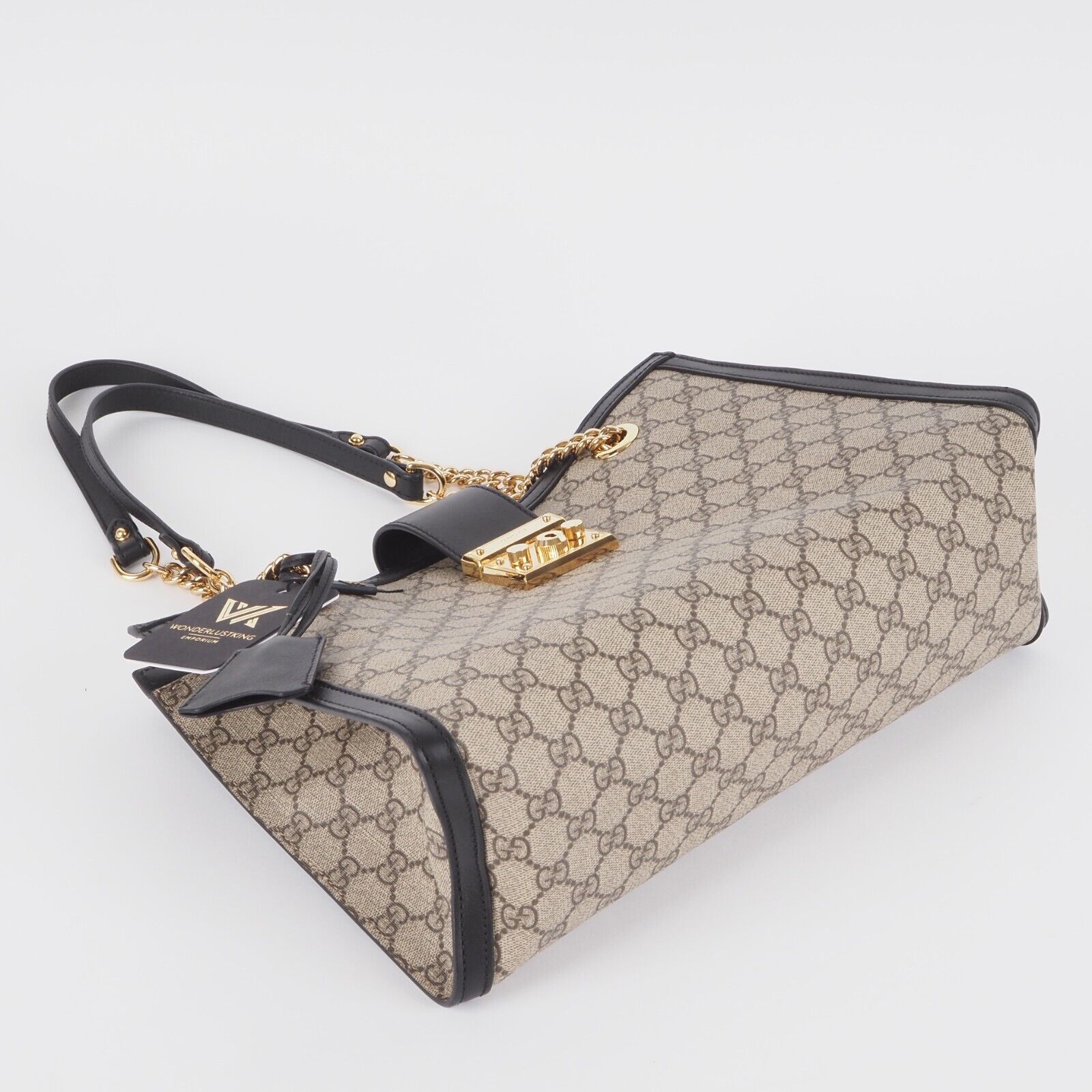
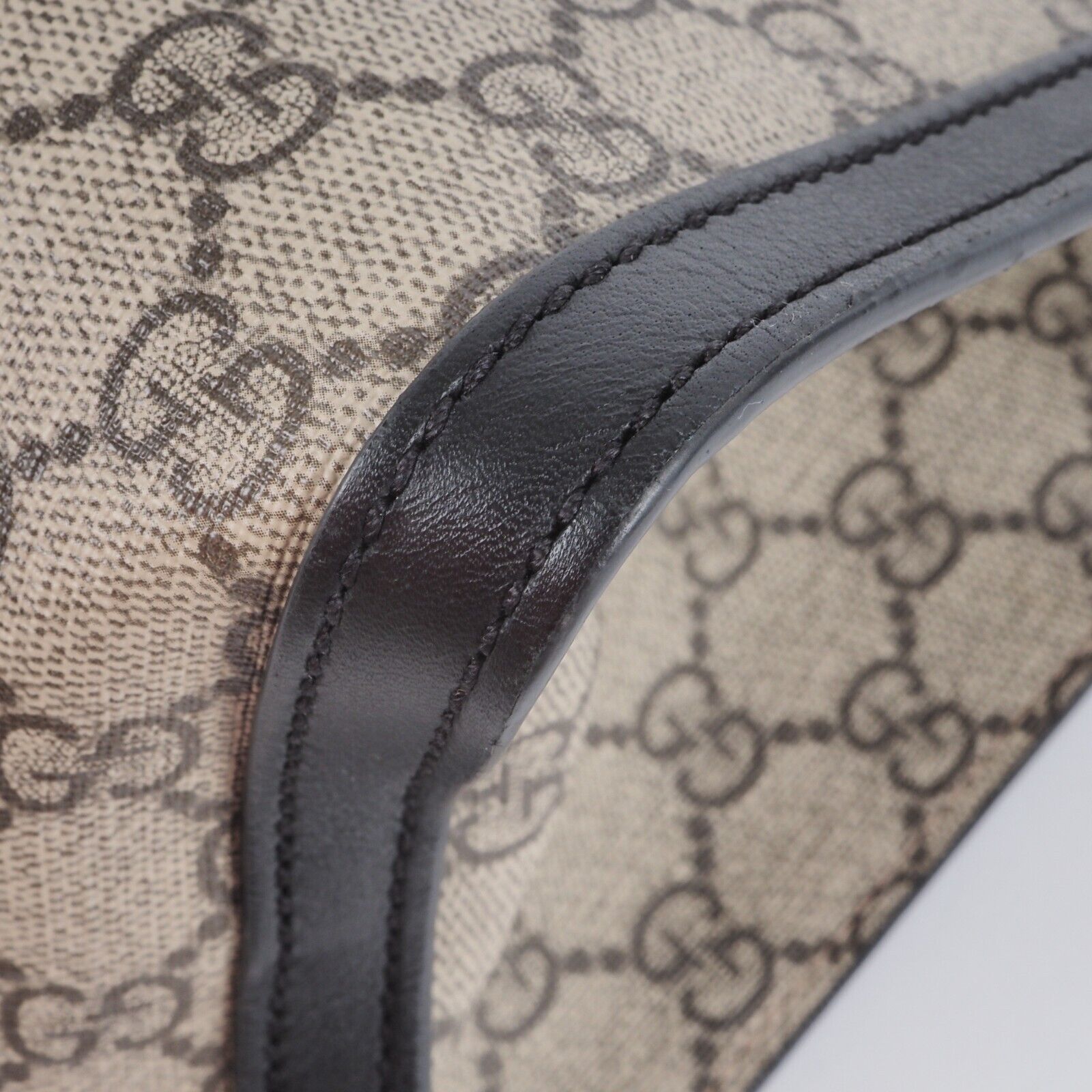
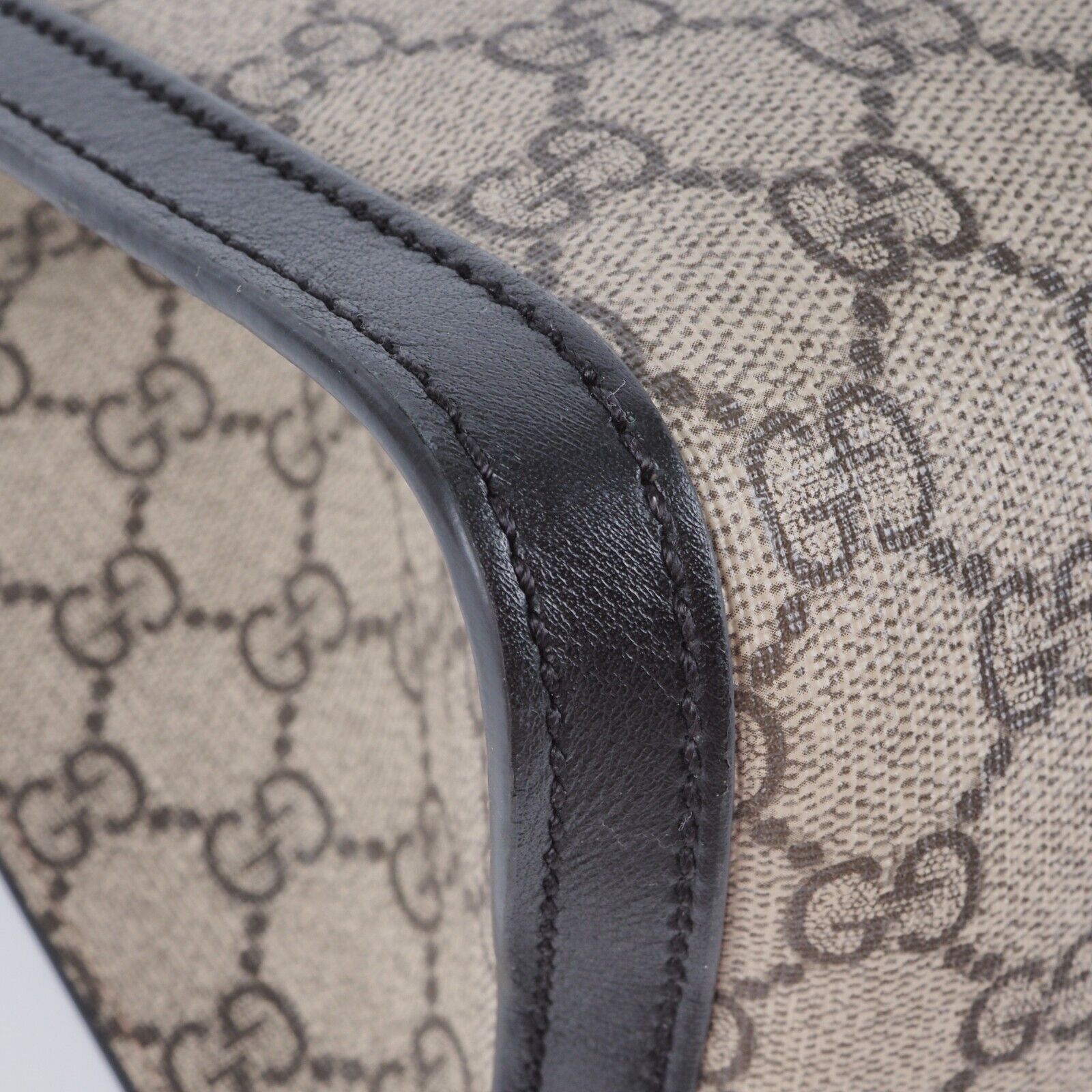
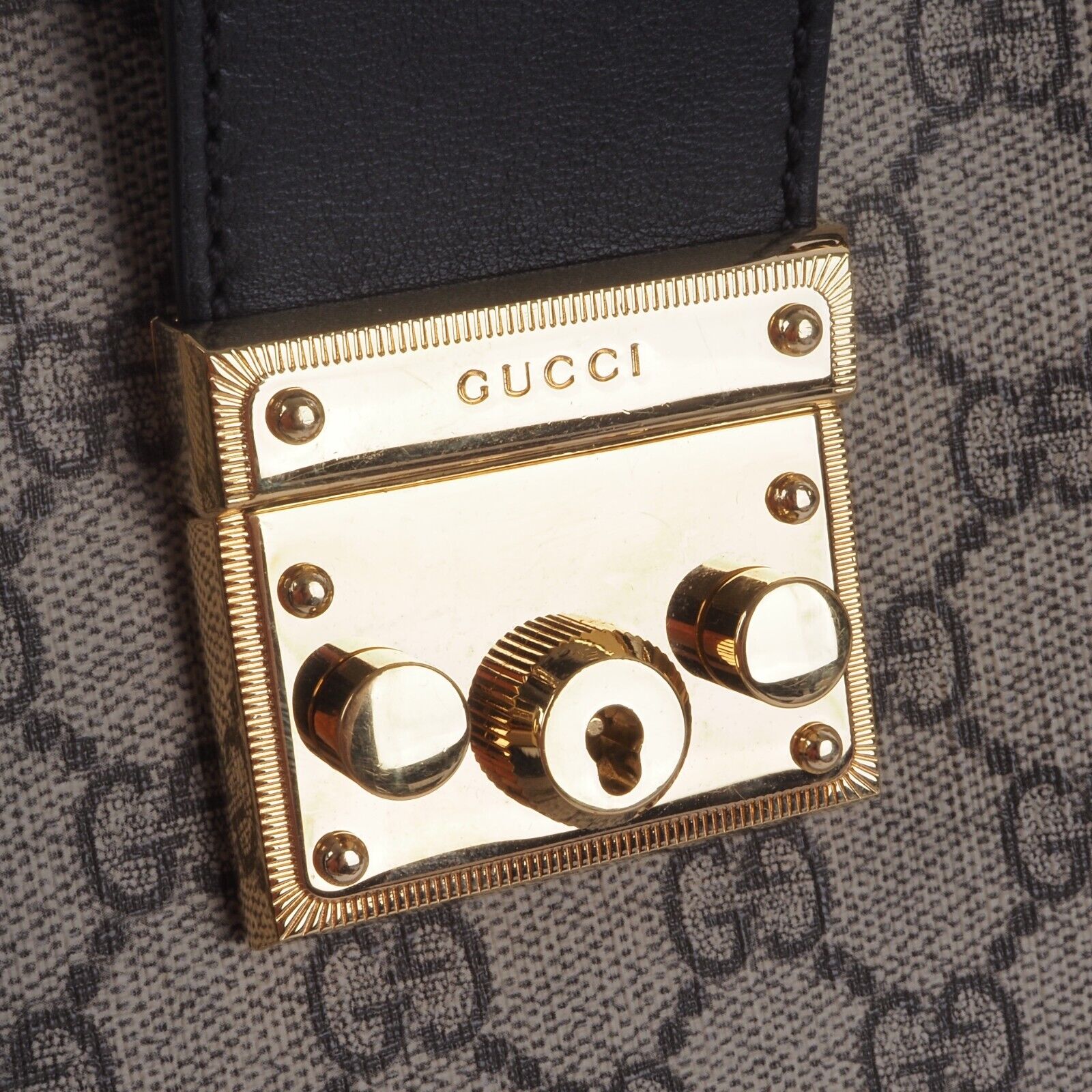
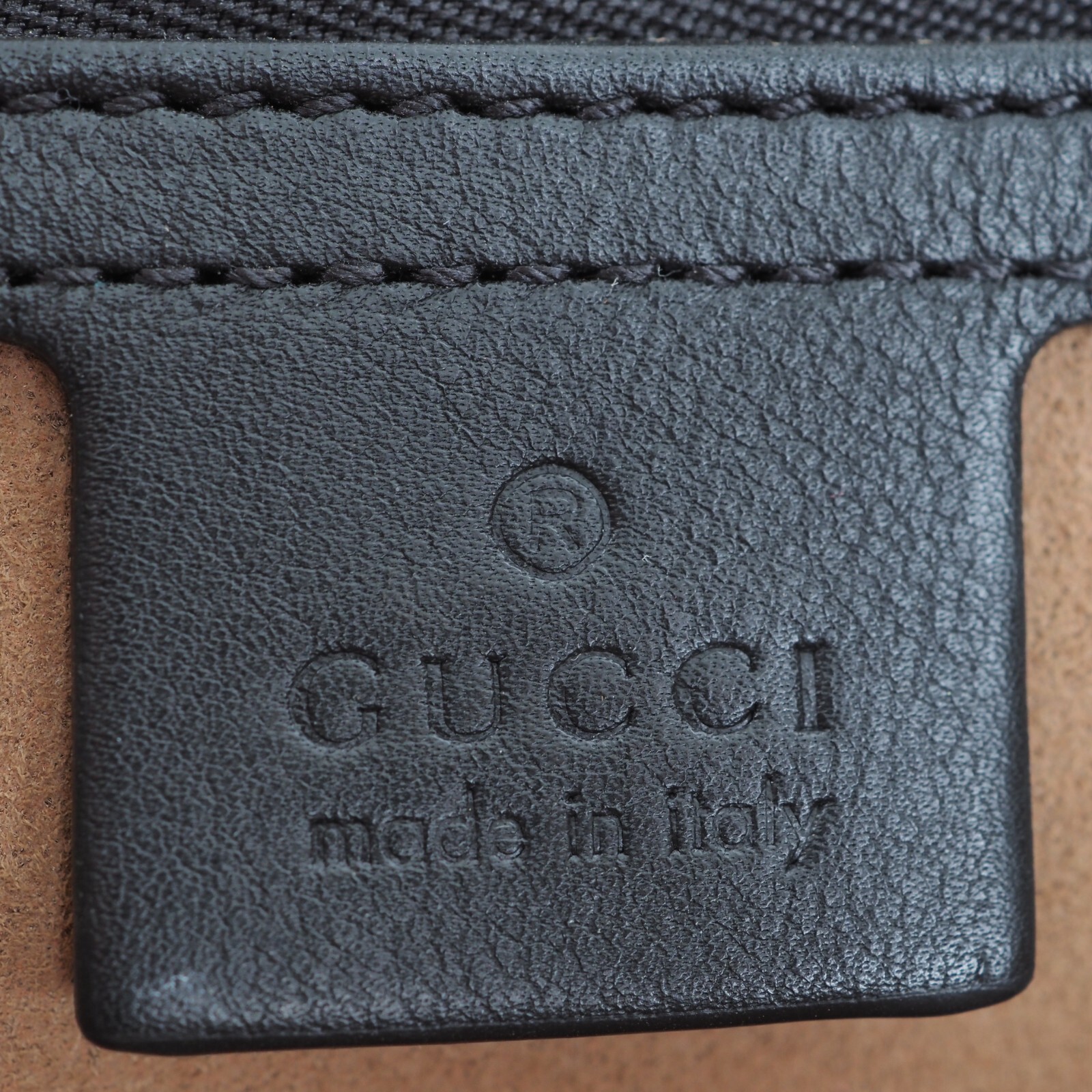
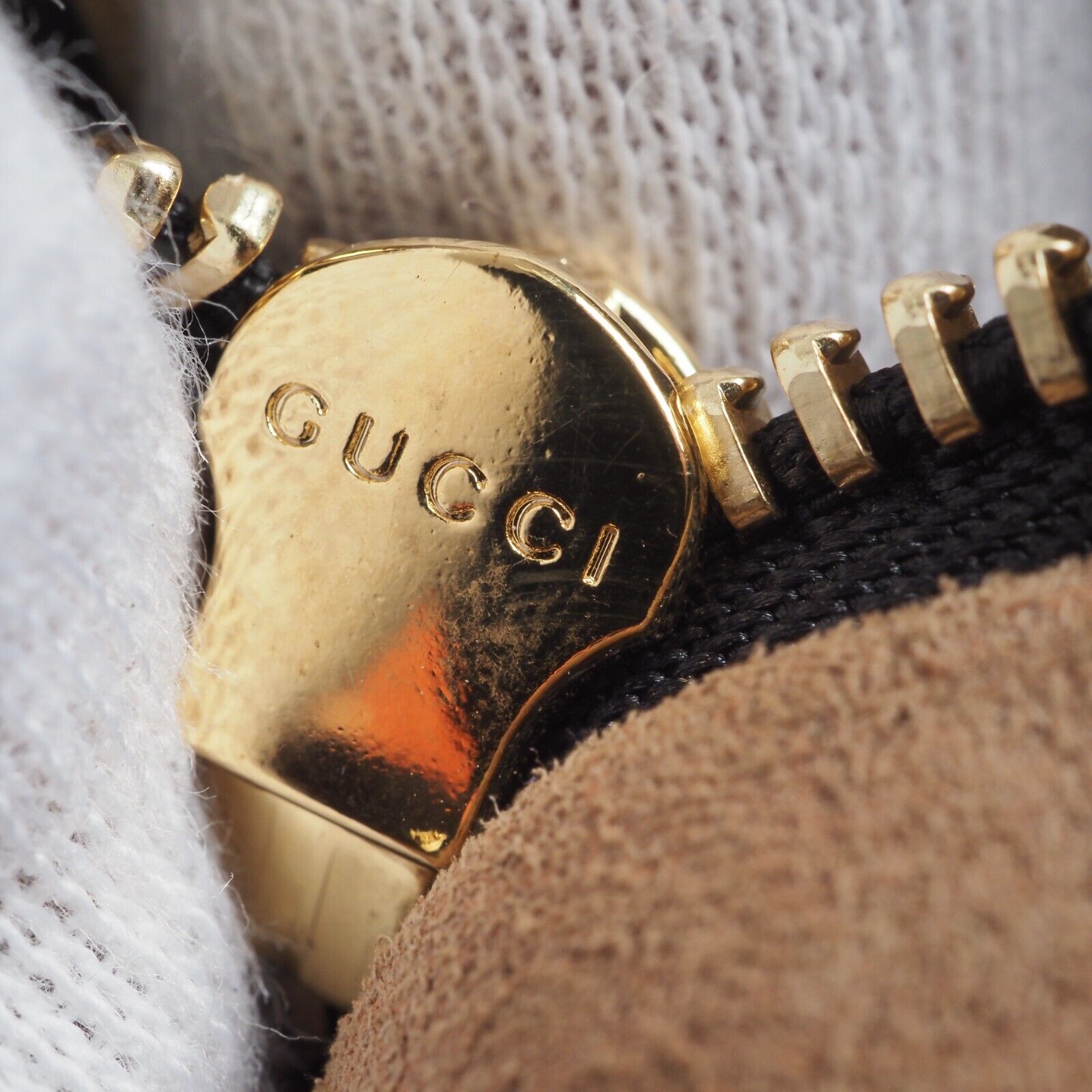
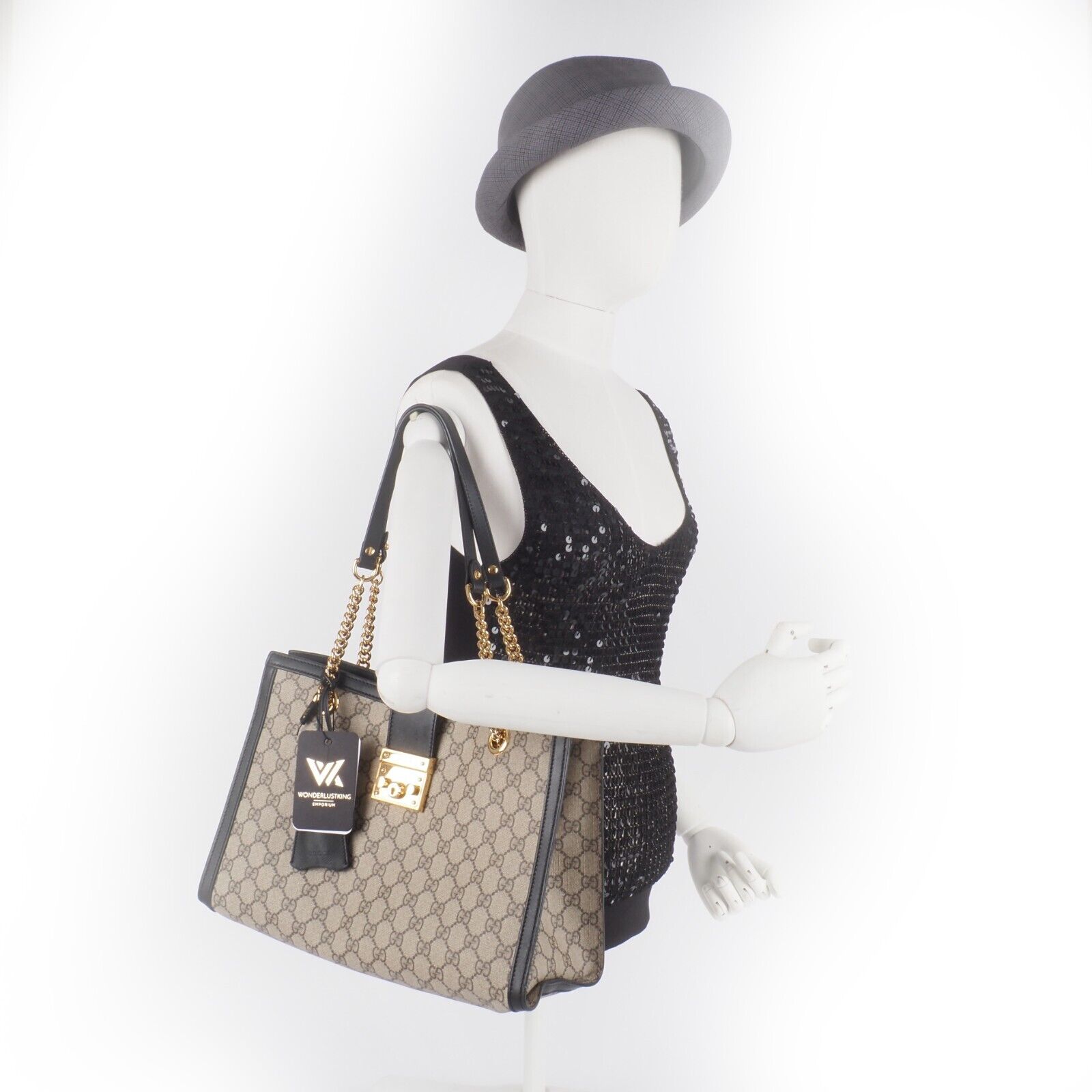
The story of the Italian fashion house **Gucci** begins in **1921** in Florence, where master saddler **Guccio Gucci** opened a small workshop for exclusive **leather goods and luggage**. Inspired by the elegance of the London hotels where he had worked as a young man, he combined Italian craftsmanship with a design influenced by equestrianism, which quickly earned him a wealthy clientele.
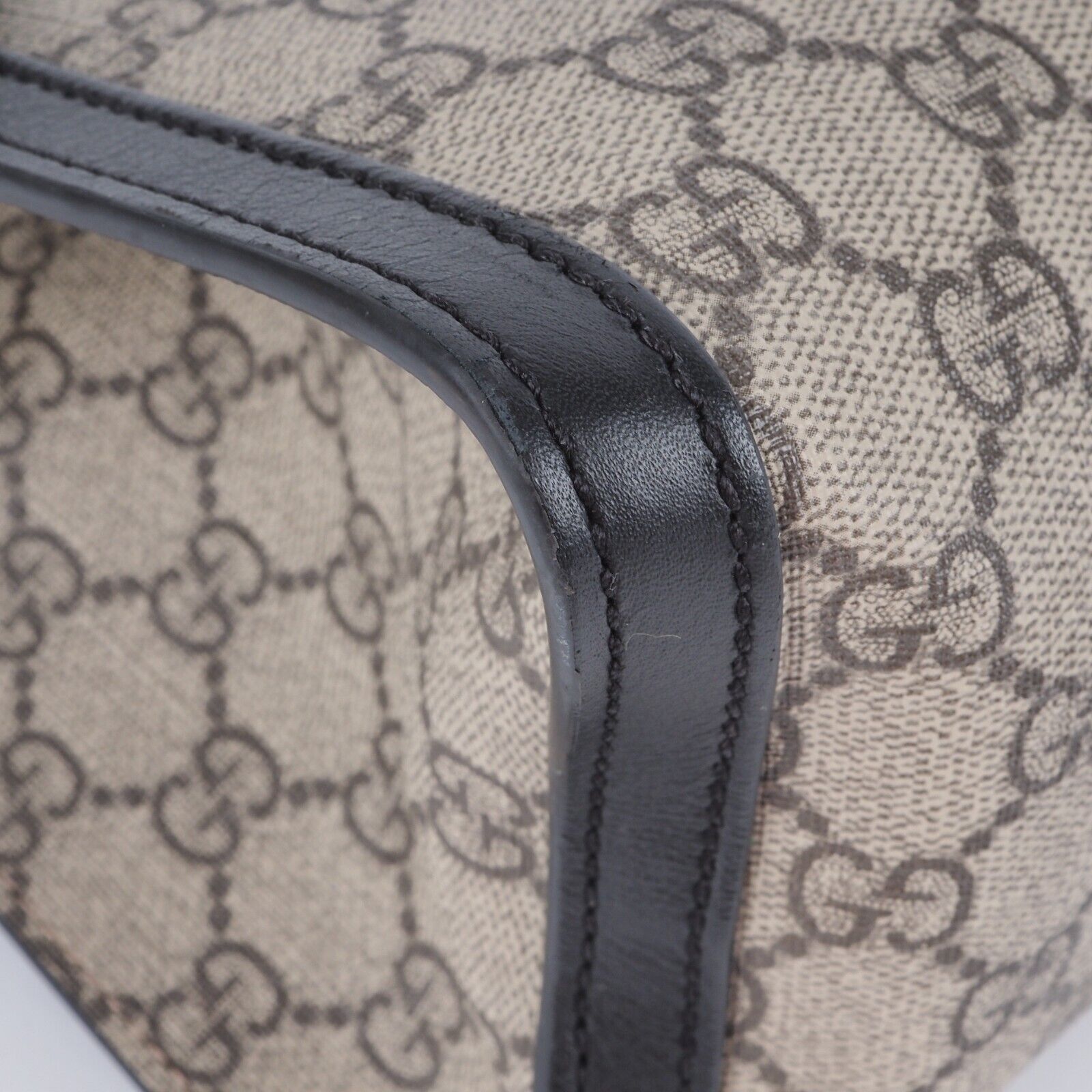
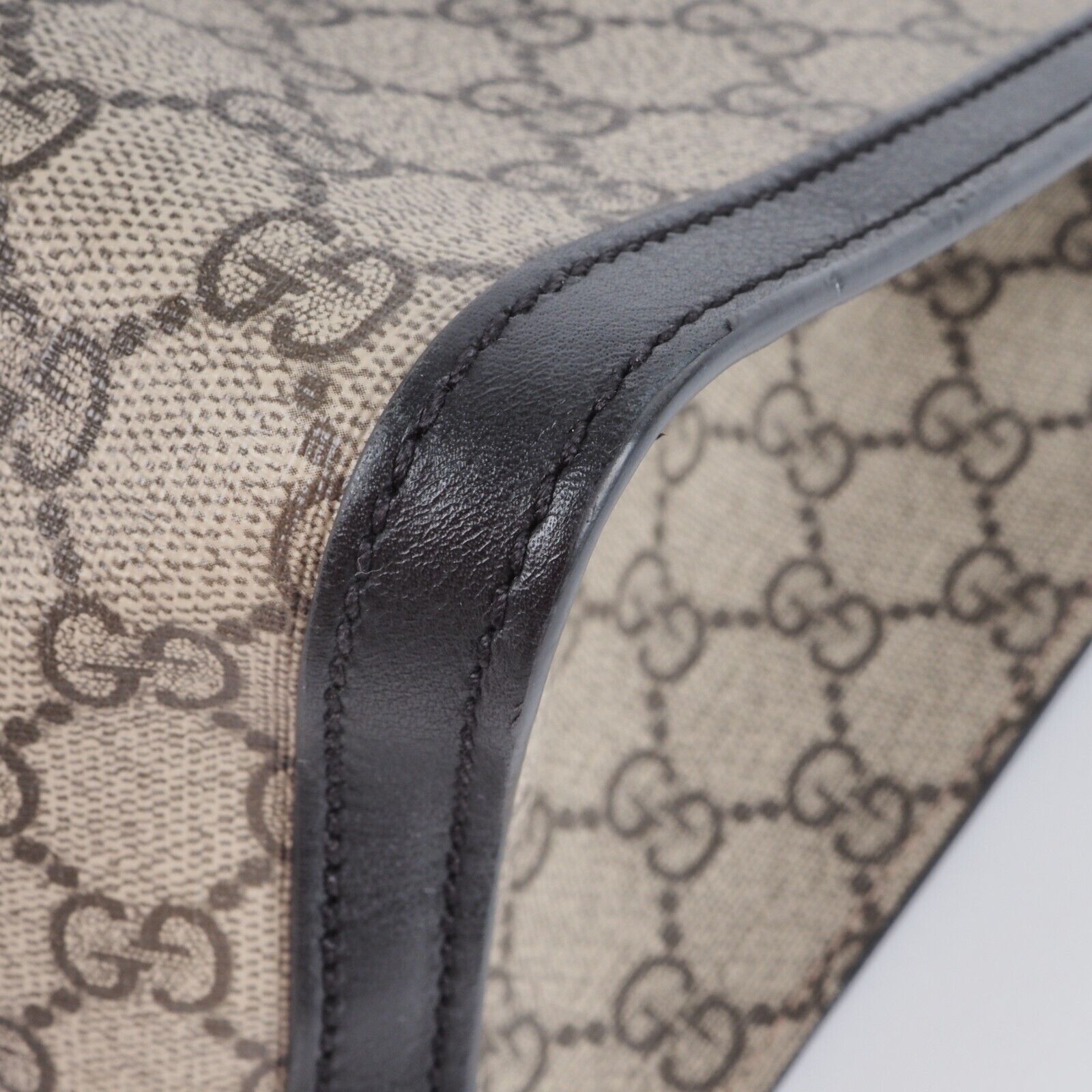
After the founder's death in 1953, his sons took over the business and led the brand to international expansion by opening boutiques in New York and Paris. During this period, many of the iconic designs were created: the **Bamboo Bag** with its distinctive bamboo handle, the **"Jackie" Hobo Bag**, named after Jackie Kennedy Onassis, and the **Horsebit Loafer** with its bridle appliqué. The famous **double-G logo** (for Guccio Gucci) established itself as an unmistakable symbol of luxury.
The following decades, however, were marked by internal family conflicts and turmoil that temporarily damaged the brand's image. The house made a triumphant comeback in the 1990s when designer Tom Ford gave the brand a highly glamorous, provocative, and sensual style that made Gucci the most coveted luxury brand of its time.
At the beginning of the 21st century, the Gucci brand slipped completely out of the family's grasp when the French luxury goods group Kering (then PPR) acquired almost all of the company in a famous takeover battle in 2004. Under the creative direction of Alessandro Michele from 2015 onwards, Gucci underwent another radical transformation, producing a maximalism of opulent patterns, vintage aesthetics, and gender fluidity that particularly appealed to a young audience and multiplied the house's sales.
Although Gucci faces new challenges today with the waning of the *Maximalism* hype and the arrival of a new creative director with a fresh aesthetic, it remains a **global giant** and a synonym for Italian luxury and craftsmanship, whose iconic bags and accessories are still considered status symbols and sound investments. The story of Gucci is thus a captivating tale of Italian tradition, family dramas, and the capacity for constant reinvention.